BIA missing and murdered unit stalls amid staffing shortage, audit finds
A federal audit found that staffing problems have stalled the Bureau of Indian Affairs’ Missing and Murdered Unit since its formation during President Joe Biden’s administration, leaving hundreds of cases in limbo and some families without required victim services. The Interior Department’s Office of Inspector General released the audit Sept. 9, documenting a backlog of investigations and unfilled posts.
The unit had 83 open cases and nearly 400 pending referrals as of November 2024, according to the audit. The unit did not have a timeframe for assessing referrals, and agents carried unmanageable caseloads that included administrative duties on top of active investigations. Nearly half the unit’s posts remained unfilled as of last year, even as the bureau overall has lost a third of its workforce due to staffing cuts under President Donald Trump.
Federal spending on the initiative grew from $12 million to $17 million between 2021 and 2024. During the same period, the audit found that 39% of money for the unit was redirected toward other Bureau of Indian Affairs law enforcement costs, including upgrading vehicles.
The unit was created in 2021 to address the crisis of violence against Native Americans and put new resources toward solving cold cases. But families say the response has fallen short.
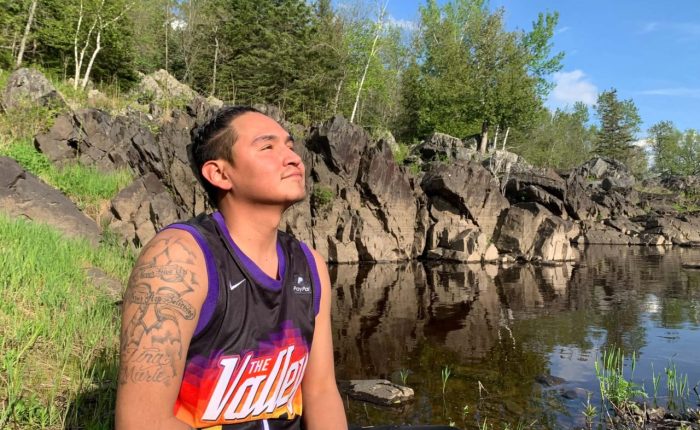
Peter Martin went missing two years ago from the Fond Du Lac reservation in Minnesota. His family has not stopped looking. Family friend Kayla Jackson said the investigation has stalled since the agent assigned to the case left the role in early 2025.
“They’ve never had a person take his space for this region and yeah, we haven’t heard from them since,” Jackson said.
Martin was 31 when he was reported missing after a welfare check on the Fond Du Lac reservation in 2024. Relatives described him as an outgoing man who played sports with kids and took his nieces and nephews out trick-or-treating. Family members said they get periodic updates from the Fond Du Lac Police Department but were never connected to BIA victim specialists. The BIA website does not list a case agent in Martin’s case.
Relatives of Kaysera Stops Pretty Places were hopeful when, in 2022, a Bureau of Indian Affairs agent was assigned to her still-unsolved case. Stops Pretty Places had just turned 18 when her body was found in a town bordering the Crow Reservation in 2019. Her aunt, Grace Bulltail, said the agent was difficult to reach and provided few updates. Last year, Bulltail learned the agent never had full access to the files of local investigators before being reassigned to other duties.
David Adams, an Albuquerque-based attorney, former federal prosecutor and member of the Sault Ste. Marie Tribe of Chippewa Indians, called the response inadequate.
“It is nothing but heartbreaking just to see how inadequate the response has already been for so many of these situations,” Adams said.
In 8 of 13 cases reviewed by the inspector general’s office, the assigned agent did not contact bureau staff who specialize in helping victims’ families. One staff member said they referred families to outside programs because the unit had only two victim specialists nationwide.
Sarah Deer, a professor at the University of Kansas School of Law, said delays among federal investigators are compounding families’ grief.
“These are families who have often experienced institutional failure already,” she said. “A system designed as a response to that history cannot ask families to keep waiting.”
The bureau says it has adopted many of the report’s recommendations, from streamlining its case referral pipeline to training staff on victim services requirements. Federal auditors say weaknesses in the hiring process remain.
Bureau of Indian Affairs officials said in a statement they have taken steps under Trump to improve case processing and make sure families get support. They said most of the recommendations from the audit had been acted upon.
“The deficiencies identified in the OIG audit reflect operations under the previous administration that were inconsistent with the objectives outlined in Operation Lady Justice,” the statement said, referring to a presidential task force established by the first Trump administration in 2019 to address the crisis of missing and killed Indigenous persons.
Last month, the FBI announced it would set a minimum reward of $25,000 for public information in dozens of cold cases on tribal land. In February, the Missing and Murdered Unit assisted in recovering and identifying two sets of remains on the Chickasaw Nation, closing a missing persons case that had run cold more than a decade before.
Deer said new federal and state task forces and specialized law enforcement initiatives have increased public awareness of the crisis.
“The government has stepped up in some ways to appropriate resources, but implementation matters,” she said.
Tribal police departments, which are often the first to respond to cases involving Native people, remain under-resourced with limited capacity to investigate complex crimes, she said.
“What I always come back to is whether or not this money could be better utilized by tribes themselves,” Deer said.
The Associated Press emailed bureau officials seeking comment about the Stops Pretty Places case and about Martin’s case.