Bank of America fined $1.2B by Treasury Department in Washington
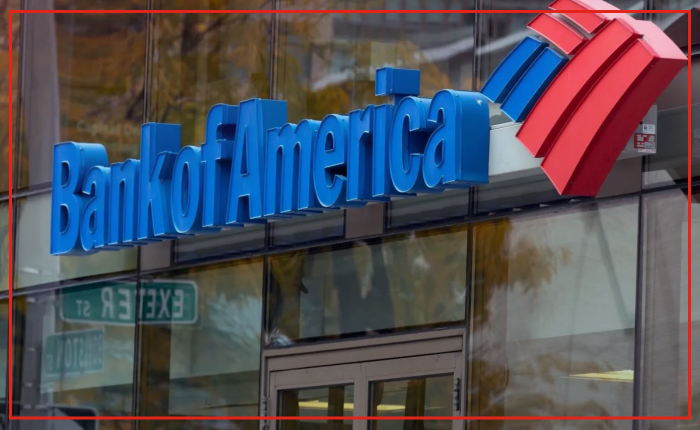
Federal officials in Washington ordered penalties totaling $1.2 billion against Bank of America on Tuesday. The action penalizes the lender for allegedly violating anti-money laundering and sanctions laws. The sum marks the third-largest penalty in the history of the U.S. Treasury Department.
Bank of America is America’s second-biggest bank. Treasury Secretary Scott Bessent addressed the penalties in a statement.
“When a bank of this size fails to meet its anti-money laundering and sanctions obligations, the consequences extend far beyond its own walls, exposing the entire U.S. financial system to significant illicit finance risks. Today’s actions send a clear message that even the biggest financial institutions are not above the law.”
The Financial Crimes Enforcement Network assessed the $1.2 billion penalty against the lender. The agency cited a failure to mitigate and report priority national security risks. These risks included Chinese Money Laundering Networks and illicit finance along the southwest border.
The total penalty includes $750 million for the U.S. Office of the Comptroller of the Currency. That sum is the largest fine ever imposed by that regulatory agency. Treasury stated that Bank of America admits that it willfully violated the 1970 Bank Secrecy Act.
The bank also reached an $11.6 million settlement with the Office of Foreign Assets Control in Washington. That deal resolves apparent violations of several sanctions programs. Officials cited programs on Iran, Russia, narcotics, and global terrorism.
The department previously secured larger settlements with other major financial entities:
- A roughly $4 billion settlement in 2023 with Binance
- An approximately $3 billion settlement the following year with TD Bank
Both earlier actions occurred under the Biden administration. They focused on anti-money laundering and compliance within the virtual currency industry. Binance founder and CEO Changpeng Zhao later received a four-month prison sentence. He faced charges of permitting platform transactions tied to child sex abuse, drug trafficking, and terrorism.
The Bank Secrecy Act establishes reporting requirements for commercial banking companies. Federal regulators enforce these rules to monitor large transactions across the nation. Agencies use the collected records to detect and prevent illicit cash movements.
Treasury officials announced the completed enforcement actions from Washington on Tuesday.