US Army showcases quieter Rio Grande after troop surge in Roma
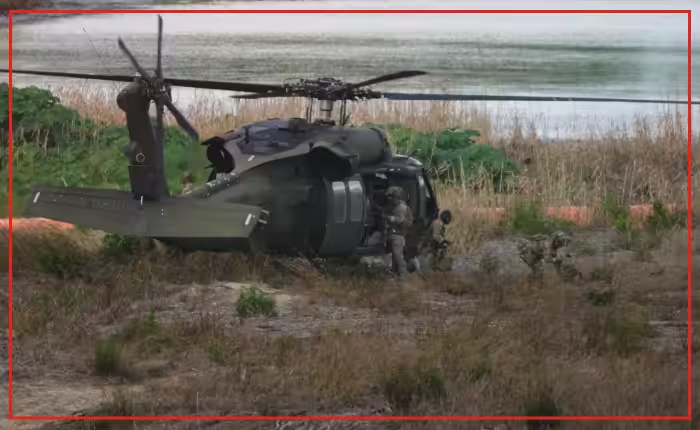
Ray Richards surveyed a quiet section of the Rio Grande in Roma during military border patrols. The shifting force presence aims to curb cartel movement along the southern boundary.
The Army invited reporters to the Rio Grande Valley. It is moving hundreds more soldiers into the area this month. Those units shifted from thousands of troops stationed along the 2,000-mile border.
U.S. officials said the move followed signs of elevated cartel activity. The Mexican military has increased cooperation along the border. Recently, the U.S. Coast Guard faced gunfire from the Mexican side and returned fire.
“At any given time, there would be multiple rafts full of people trying to get to this side,” Richards said.
About half of Americans approve of border performance under President Donald Trump. Republicans face difficulties over Trump’s polling numbers, high prices and the war in Iran. Some outside experts question the strategic need for the troop deployment.
Illegal river crossings dropped after asylum restrictions began. Most seized fentanyl, cocaine and heroin arrives hidden in vehicles at checkpoints. University of San Diego professor David Shirk said the administration wants to show aggressive enforcement.
“I don’t dispute there’s some benefit to having personnel in areas at risk for people smuggling and drug trafficking,” Shirk said. “But the vast majority of that is now happening at ports of entry.”
Syracuse University professor Dessa Bergen-Cico said street prices for cocaine and fentanyl remain low. She said those low prices indicate drug flow remains unimpeded.
Army Maj. Gen. Curtis Taylor leads the southern border task force. He called the mission vital and effective.
“dismantling this marketplace of human trafficking that is bringing people into the border,” Taylor said. “An added benefit of that is there’s an awful lot of drugs moving with that human trafficking.”
Roma has about 10,000 residents. The city lacks border wall in places where houses sit on steep river slopes. Across the water sits Miguel Alemán in the Mexican state of Tamaulipas.
Crossings dropped after President Joe Biden set severe asylum rules in 2024. Crossings dipped again when Trump suspended border asylum. Trump returned to office in January 2025.
The Army now commands about 8,000 troops along the border. State law enforcement and the U.S. Coast Guard also added personnel. Buoys the size of hay bales, concertina wire and a surveillance blimp protect Roma.
Army Sgt. Nathaniel Decker watched people launch three rafts at dusk. Border Patrol caught one group near a house.
American forces jam, capture or shoot down cartel drones with lasers. Richards noted that some drones still cross into domestic airspace at night.
Mexican President Claudia Sheinbaum increased crime crackdowns under pressure from Trump. Mexico deployed 500 National Guard and military personnel to Tamaulipas this month. A Mexican federal official said intelligence on criminal groups guided the mission.
The Mexican operation includes two UH-60 helicopters, drones and anti-drone gear. The U.S. Coast Guard also deployed over 300 personnel last October. Coast Guard members traded gunfire near Garceno, Texas, last month with no reported injuries.
U.S. Coast Guard Cmdr. Jeff Miller said personnel operate in challenging environments. He confirmed crews may use force to protect themselves.
Patrol boats on the river carry machine guns. A private steel border wall lines part of the American riverbank. An unnamed boat driver said people on the Mexican bank wave, offer beer or make offensive gestures.
Acting Deputy Chief Patrol Agent Joel Garcia credited federal operations for falling crossing numbers. He pointed to higher drug seizures and lower foot traffic.
“Border security, when done right, if we have truly secured the line, should be boring,” Garcia said. “It should look as if no one is crossing and nothing is happening.”
Border Patrol operates as the primary federal agency for boundary enforcement. Military units provide logistical and surveillance assistance to domestic law enforcement agencies. Intercepted individuals are processed through federal immigration facilities.
Crews continue monitoring river islands and bank access points around Roma.