US military tests autonomous combat training system at Fort Polk
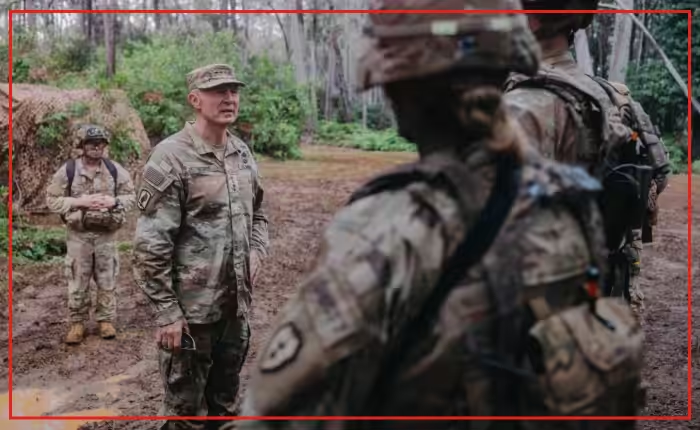
Fort Polk in western Louisiana serves as the launch site for an integrated combat system. The program aims to cut training costs and speed up mission planning for soldiers facing modern drone threats.
The Pentagon announced a new Autonomous Warfare Command. A four-star general leads the unit to scale artificial intelligence, robotics, and low-cost drones across the military.
The Joint Readiness Training Center in western Louisiana is the first testing ground. The military partnered with Forterra, a defense tech company focused on autonomous ground systems.
Bryan Pickens, a veteran with over 20 years in U.S. Special Operations, said the country must catch up.
“I often say we are on a rowboat while our enemies are escaping us on a jet ski,” Pickens said. “The Global War on Terror skills prepared us to fight dirt farmers. Not our peer enemies.”
Pickens served 14 combat deployments to Afghanistan and Iraq. He now trains U.S. and NATO forces after supporting Ukraine against Russia.
The 1st Battalion, 509th Infantry Regiment plays the enemy at the training center. The resident unit carries the nickname Geronimo.
Soldiers in Geronimo receive tools that mimic foreign adversaries, said Logan Morris, chairman of Fort Polk Progress. Morris is also a former civilian aide to the secretary of the Army. Enemy tools include drones, communications, and intelligence information, Morris said.
The platform is known as OASIS-Fabric and OneLink. It pulls data from different communication technologies and processes it at scale.
Phil Cotter, Forterra’s head of growth, sustainment and shaping operations, said Geronimo should not manage 50 controllers. “They are the middleware and data layer that kind of allow these systems to all speak the same language,” Cotter said.
Scott Sanders, Forterra’s chief growth officer, said stressed young soldiers need faster planning tools. Sanders said soldiers can plan missions at the tactical edge without reaching back to higher headquarters.
Morris said the technology will also go to visiting battalions. The system integrates tools from outside vendors instead of interfering with them, Morris said.
If testing succeeds, the Army plans to expand the software to all combat training centers. It may later deploy to actual combat operations.
Lt. Col. Trevor Jones, commander of Geronimo, wrote that the service must learn by failing fast.
“The risk of being outclassed by a rival military’s transformation is very real with the current pace of technological change,” Jones said.
Forterra acknowledges there is no guarantee the platform works perfectly right away. The company sent 105 autonomous vehicles to Eastern Europe in the past year to help Ukraine, Cotter said.
Sanders said the team tested the system in Ukraine before bringing it to domestic sites. Cotter said the company holds an Authority to Operate for ground autonomy from the Department of War.
Congressman Mike Simpson, R-Idaho, said adversaries will pull ahead if the military does not advance rapidly. Simpson said he is excited that new technology can protect war fighters.
Combat training centers run simulated force-on-force battles to prepare American brigades for overseas service. Units rotate through western Louisiana to encounter enemy equipment, hostile signals, and mock combat operations.
The military continues trials with the software during active brigade exercises.