Health experts raise concerns as drug-resistant shigellosis cases rise
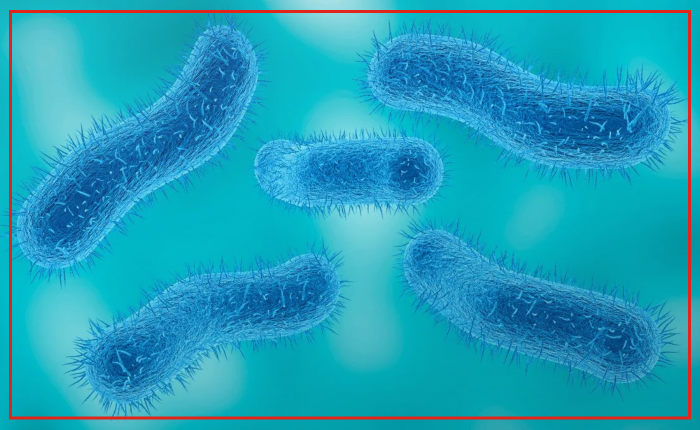
Federal health officials warn of rising bacterial infections linked to sexual activity across the United States. The illness spreads easily and is becoming much harder to treat with standard medicine.
The Centers for Disease Control and Prevention tracked 13,921 diagnosed infections nationwide by Sept. 26, 2026. That count follows 14,277 cases recorded during the previous year. Officials have not declared an outbreak.
Shigella bacteria cause the digestive infection. Even tiny amounts trigger severe illness. The germs infect nearly 500,000 Americans each year.
Research published in The Lancet revealed a rapid shift. Sexually transmitted cases grew 15% faster year over year between 2015 and 2020.
“This disease has gone from being relatively treatable with off-the-shelf drugs to being close to untreatable over the course of the last decade or so,” said Kate Baker, a Cambridge geneticist who led The Lancet study. “Many men who have sex with men are unaware of the serious and increasing risk posed by sexually transmitted Shigella.”
The bacteria spread through contaminated food and tainted water. Transmission also occurs through contact with feces during diaper changes or sexual intimacy. According to the Cleveland Clinic, men who have sex with men face higher infection risks.
Children under 5 in day care face high risks. People experiencing homelessness also face elevated danger. Diarrhea lasting over three days serves as a primary warning sign.
Infected individuals also suffer fever, stomach pain and dehydration. Symptoms usually emerge within 24 to 48 hours. Most people recover at home within five to seven days.
CDC testing shows resistant strains jumped from 0% in 2011 to 8.5% in 2023. Agency officials addressed the shift in a public report.
“Most infections resolve without requiring treatment with antimicrobial agents; however, antibiotics are indicated for severe illness or to reduce transmission in high-risk settings,” the agency wrote.
Prevention relies on clean habits across United States communities. Health experts advise washing hands, genitals and sex toys with soap and water before and after intimacy. Barrier methods like condoms reduce exposure.
The Centers for Disease Control and Prevention serves as the national public health institute under the Department of Health and Human Services. The federal agency monitors disease trends and publishes treatment guidance for medical providers.
Rest aids recovery. Extra fluids help patients heal within seven days.