These are the hawks and falcons living in Albuquerque neighborhoods
Gail Garber shared details on several migratory raptors living in Albuquerque as seasonal temperatures cool. Local residents can spot these birds nesting across city parks and residential areas. The wild birds prepare to leave local neighborhoods every year.
Garber serves as executive director at Hawks Aloft. Almost every Albuquerque park with large trees holds a pair of Cooper’s hawks, Garber said.
“Pretty much, if it’s in the city, it’s gonna be a Cooper’s hawk,” Garber said. “Pretty much every park in the whole city has large trees and almost every single park in the entire city has a pair of Cooper’s hawks [that] live there and build a nest there.”
Cooper’s hawks eat other birds, Garber said. Backyard bird feeders create an easy cafeteria for them, according to Garber.
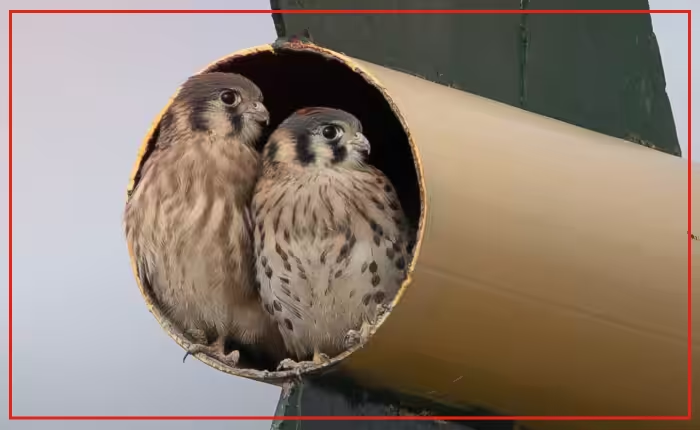
Residents also see small falcons called American kestrels in town. Garber said they are cavity nesters. They build nests in highway cracks or home eaves.
These kestrels eat small birds, insects, lizards and mice, Garber said. Swainson’s hawks visit the area too. They have wingspans near four feet and build large nests in cottonwood tops.
“They usually have two babies. They’re generally not aggressive,” Garber said.
They prey on rodents, rabbits and insects, Garber said. They switch diets when food supplies change. A summer grasshopper bloom makes them switch to eating mostly grasshoppers, Garber said.
Garber said raptors will not carry away small children or small dogs. Birds have hollow bones. They carry only about one-third of their body weight in flight, Garber said.
“This means that a great horned owl, which is the heaviest bird we have here, weighs about two pounds. Maybe three pounds,” Garber said. “So it could only fly away with one pound or half a pound.”
A nesting mother hawk attacks only to protect her eggs, Garber said. Humans have forward-facing predator eyes. The bird views people as threats, Garber said.
Garber told residents to remove problem nests only after the birds leave. Birds return around March. Homeowners must remove new nests right away, Garber said.
“Birds can build a whole nest in about three days,” Garber said. “So they’re fast.”
The Migratory Bird Treaty Act of 1918 protects nests once birds lay eggs. Federal law protects migratory birds and prevents people from disturbing active nests.
Garber suggested wearing a hat or carrying an umbrella if an Albuquerque hawk turns aggressive. People should leave hawk families alone, Garber said.