Permanent daylight saving time could leave students commuting in the dark
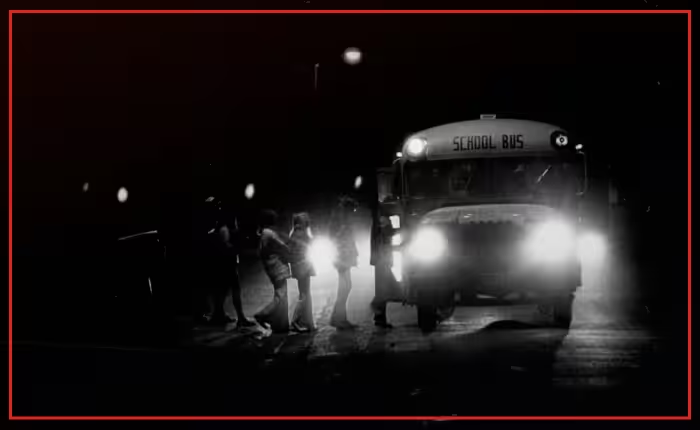
Federal lawmakers left Washington without acting on a bill to lock the nation’s clocks. The stalling keeps children from traveling to class under morning darkness across the country. Nineteen states supported the effort to avoid seasonal time changes. The House approved the measure earlier this year.
The Senate adjourned without taking up the Sunshine Protection Act. Former President Donald Trump backed the measure online. He shared the cellphone number of Sen. Tom Cotton to urge support.
Cotton publicly opposed the plan. Arkansas families do not want morning darkness for their children, Cotton said.
No one likes changing the clock, me included.
Arkansans don’t want their kids going to school in the pitch dark, and I’ll always put Arkansas first.
Winter sunrises currently occur in the 6 a.m. or 7 a.m. hours. Northern communities face darker morning hours. In Lansing, Michigan, more than 40 sunrises out of 133 currently happen after 8 a.m.
A permanent time shift moves every sunrise one hour later. Lansing would see 129 sunrises after 8 a.m. under year-round daylight time. Forty-three winter sunrises in that city would happen after 9 a.m.
A child leaving home at 7 a.m. attends roughly 85 winter school days. A data review analyzed 62 cities across those 85 school mornings. Students currently travel before sunrise roughly 50 times each winter.
Year-round daylight time would leave almost all mornings dark before 7 a.m. Only Las Vegas and Panama City, Florida, would see school sunrises before 7 a.m. Several communities would not see sunlight until after 8 a.m.
The United States previously attempted permanent daylight time in 1973. Public approval reached nearly 80% in December 1973, The New York Times reported. That number dropped to 42% two months later.
Dark mornings forced children to carry flashlights to bus stops. Multiple traffic crashes involved children heading to class. Florida recorded eight child fatalities during that period.
The nation returned to seasonal clock adjustments by the fall of 1974. The U.S. Department of Transportation found no clear crash evidence linked to permanent daylight time. The agency found energy savings ranged between 0.4% and 1.5%.
Senate Majority Leader John Thune said there is no clear path forward. Congress plans to adjourn by mid-to-late December. Other pending proposals include year-round standard time and state-level options.
Federal statutes govern national standard time across participating states. Lawmakers can alter time zones through statutory amendments approved by both congressional chambers. The Senate considers calendar legislation during regular legislative sessions.
Clocks will fall back one hour to standard time on Nov. 1. Morning travel across Lansing and other northern regions will remain under seasonal schedules. It is not clear whether the Senate will hold future votes.