Texas landowners fight Trump border wall project in Big Bend region
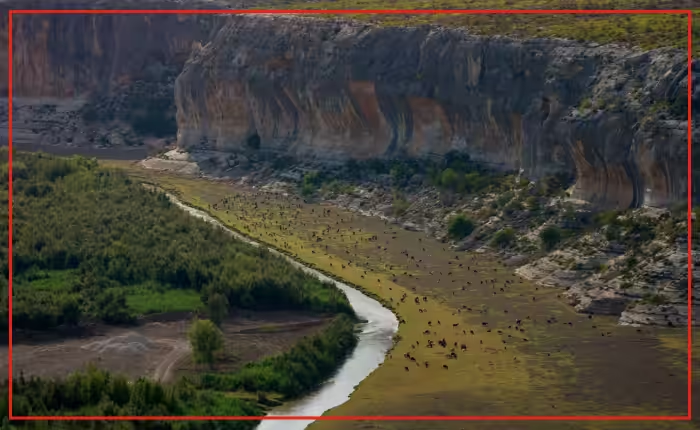
David Keller is fighting federal border wall plans in Ruidosa through a lawsuit challenging government land seizures. The legal battle has temporarily halted barrier construction across broad stretches of West Texas ranchland. Landowners across the area refuse to cede private property for the federal project.
The White House wants to build a forty-six billion dollar barrier from the Pacific Ocean to the Gulf of Mexico. Federal officials waived environmental rules to push the work forward. The region maintains historically low numbers of unlawful border crossings.
A federal judge issued an order that paused construction across the entire district. That ruling helped residents who refuse to cooperate with federal surveyors. Many local ranchers speak out at public meetings.
Keller filed suit to halt the construction plans. He described the local reaction to the project.
“Landowner resistance has slowed this project to a crawl,” Keller said. “The administration was woefully unprepared for the hornet’s nest they stirred up.”
Congress approved billions for border barriers
Republicans approved forty-six billion dollars for border wall work last year. Customs and Border Protection builds about twelve miles of barrier each week. The agency completed over two hundred miles during President Donald Trump‘s second term.
Officials allocated 7.5 billion dollars for five hundred miles of barriers in Big Bend. Construction in the district began in September. Border Patrol agents arrested 8,870 people along the southern border in August.
Agents arrested 161 people in the local sector during that same month. The area covers one quarter of the southwest border. Customs and Border Protection Commissioner Rodney Scott defended the project.
“The American people have already seen the consequences of an unprotected border,” Scott said. “We cannot allow any region, including Big Bend, to be exploited again.”
Landowners face federal land condemnation
Most land along the river in Texas is privately owned or state property. The federal government must secure permission to survey property before building barriers. Officials can file lawsuits against residents who refuse access.
Dianna Burbach and her husband, Dan Burbach, live in an orange adobe house near Ruidosa. They received letters in July requesting survey access behind their home. An August notice warned of legal action within ninety days.
Dianna Burbach is sixty-three years old. Dan Burbach is seventy-nine. They raised four children on the property over twenty-five years.
The retired couple worries construction will cause flooding on their property. The barrier would place fifteen acres of their land behind the wall. Dianna Burbach pledged to resist the seizure.
“We’re going to let them take us to court, do eminent domain,” Burbach said. “We’ll fight it that way.”
The Department of Justice hired condemnation attorneys in Texas for these disputes. A department official said fifty of seventy recent border land cases reached resolution without trial. The official spoke on condition of anonymity under government ground rules.
Federal court halts barrier construction
The No Big Bend Wall Coalition represents more than two hundred local property owners. The coalition sued the Department of Homeland Security over administrative waivers. A federal judge granted an order that temporarily stopped construction.
Keller called the judicial ruling unqualified good news. Justice Department attorneys asked the judge late Thursday to stay her order during appeal. Federal lawyers argued unbuilt sections could channel illegal crossings into remote canyons.
Tourism operator Charlie Angell and his partner Bibiana Gutierrez lobby local leaders. They attend county commissioner meetings across the Big Bend region. They ask local businesses to deny services to barrier contractors.
Terrell County leaders considered leasing airport property to a construction firm. Jeff Davis County delayed approval for a contractor road use agreement. Some local officials say rural counties lack the funds to resist federal plans.
Terrell County Judge Dale Lynn Carruthers addressed residents at a crowded meeting.
“We’re not in control of the border wall. We’re not,” Carruthers said. “We’re just a little old Terrell County.”
Gutierrez said sustained local resistance has prevented rapid barrier installation.
“If we had rolled over, the wall would be up,” Gutierrez said.
Ranchers voice doubts on project needs
Opposition to the project includes Republican voters and local law enforcement officers. Bulldozing near Big Bend National Park prompted Sen. John Cornyn to query Homeland Security officials. Some longtime conservative residents question the multi-billion dollar expenditure.
Republican rancher Laura Allen raises sheep and goats near the border. She received notices that a vehicle barrier will cut through her ranch. Allen voted for Trump twice.
“I didn’t vote for a wall,” Allen said. “I wanted our border secured. He accomplished that.”
Terrell County Sheriff Thad Cleveland served twenty-six years in the Border Patrol. He said remote terrain requires electronic sensors rather than physical walls.
“We have the advantage of time and distance out here,” Cleveland said.
Rancher Gary Grabowske owns property with steep four-hundred-fifty-foot cliffs above the river. His land has no electricity, running water, or cellular service. He said the natural terrain stops vehicular travel from Mexico.
“You can’t take a dirt bike to the bottom,” Grabowske said. “You’re scrambling down there, hand over fist. There’s no vehicle in the world that could cross any of this.”
Allen said the property disputes raise broader legal questions for private citizens.
“We’re a pretty tough bunch,” Allen said. “But if we’re going to be run over and have our land taken by our own government, what makes anybody else in this United States think that they’re exempt?”
Families defend historic ranch properties
Brothers Bill Zuberbueler and Patrick Zuberbueler operate a family ranch founded in 1898. Their property sits along the river in Val Verde County. Their livestock includes Angora goats and Rambouillet sheep.
Federal officials sent a letter in February demanding survey access within five days. Bill Zuberbueler expressed concern about water trough access for grazing livestock. The brothers refused entry to government surveyors.
They remain committed to protecting the ranch.
“There’s not a lot of grass out here, but every square foot is important to my bottom line,” Bill Zuberbueler said.
Patrick Zuberbueler said the family will defend their heritage.
“Regardless of what happens, we have to say we tried,” Patrick Zuberbueler said.
Eminent domain allows the federal government to acquire private property for public projects through financial compensation. Landowners who reject settlement offers can challenge government land valuation and statutory authority in federal court. Condemnation lawsuits typically proceed before federal judges in the district where the property sits.
Customs and Border Protection officials said they will continue seeking voluntary land agreements across West Texas. The agency stated that property owners receive financial compensation regardless of whether access comes through agreements or court orders.