South Africa rejects US sanctions over alleged anti-white discrimination
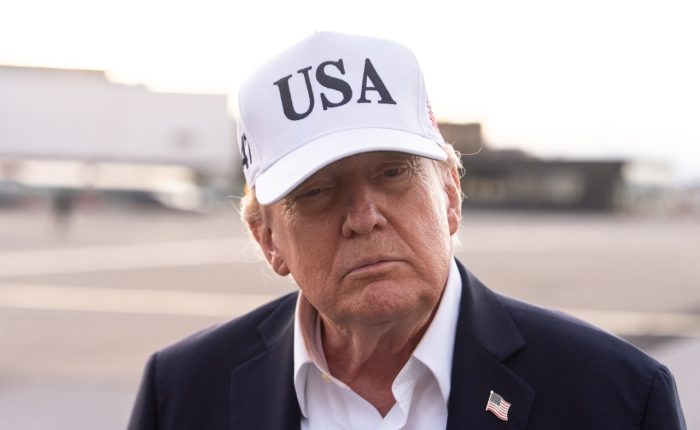
The Trump administration announced Tuesday that it will impose travel bans on South African officials it claims are responsible for discrimination against whites and other minority groups. Secretary of State Marco Rubio said he would revoke U.S. visas or reject visa applications from foreign nationals found responsible for or complicit in laws and policies that allow for uncompensated land seizures, race-based discrimination and the incitement of violence against minority ethnic and racial groups in South Africa.
“The United States will not allow such behavior to go unchecked,” Rubio said in a statement. “These actions directly undermine peace, economic stability, and the rule of law, and they are incompatible with the pillars of America’s foreign policy.”
The South African government has rejected the U.S. allegations, calling claims made by the administration since President Donald Trump returned to office last year baseless and a result of misinformation.
Rubio did not identify any officials who would be targeted with the travel restrictions. A lobby group for minority whites in South Africa has previously called for the U.S. to sanction officials of the African National Congress party, the party of South African President Cyril Ramaphosa and the largest in South Africa’s Parliament.
There are approximately 4.5 million white people in South Africa’s population of 62 million.
The U.S. has cited a South African law that allows for the expropriation of unused private land without compensation in some circumstances, affirmative action policies that advance opportunities for Blacks and others, and a small number of violent crimes against white farmers as evidence of what it describes as a larger anti-white stance in South Africa.
The Trump administration has also criticized South Africa’s move to accuse Israel of genocide against Palestinians in Gaza at the United Nations’ top court. Israel denies that allegation.
The U.S. has enforced a series of other sanctions against South Africa during Trump’s second term, including barring South African officials from meetings of the Group of 20 economic bloc this year in the U.S. and phasing out aid for South Africa’s HIV treatment program.
“This visa restriction policy is only the first step in a series of escalatory measures that will show America’s firm resolve in this matter,” the official U.S. Ambassador to South Africa account posted on X on Wednesday.