Japan study finds blueberry compound helps muscle cells burn fat
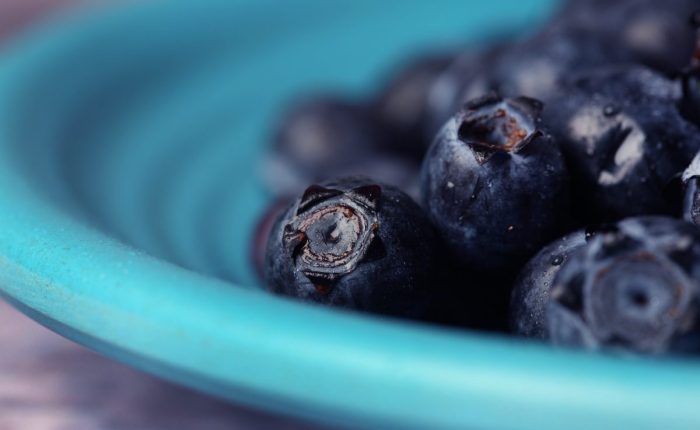
A compound found in blueberries and other berries helped muscle cells burn fat instead of storing it in laboratory tests conducted by researchers in Japan. The findings could guide the development of foods and supplements aimed at reducing fat buildup in muscle tissue.
Researchers identified the compound, called pterostilbene, and found that it reduced fat accumulation by increasing the breakdown of stored fat in tests using mouse muscle cells.
Pterostilbene works by protecting PPARδ, a protein that helps cells burn fatty acids for energy. By preventing PPARδ from breaking down, the compound boosts the activity of genes involved in converting fat into energy.
“Our findings establish a scientific framework for developing functional foods and nutritional supplements that target muscle fat metabolism,” Associate Professor Takakazu Mitani said in a release from Shinshu University.
Researchers said excess fat inside muscle cells can interfere with how the body processes glucose and fatty acids, a problem linked to obesity, insulin resistance, Type 2 diabetes and aging.
The research has only been conducted on lab-grown mouse muscle cells. Scientists have not yet studied the effects in humans or other animals with more complex metabolisms, so it remains unclear whether the compound will produce similar results outside the laboratory.
The findings were published Sept. 1 in the journal Food Bioscience.