Secondhand market set to surpass $78 billion by 2030
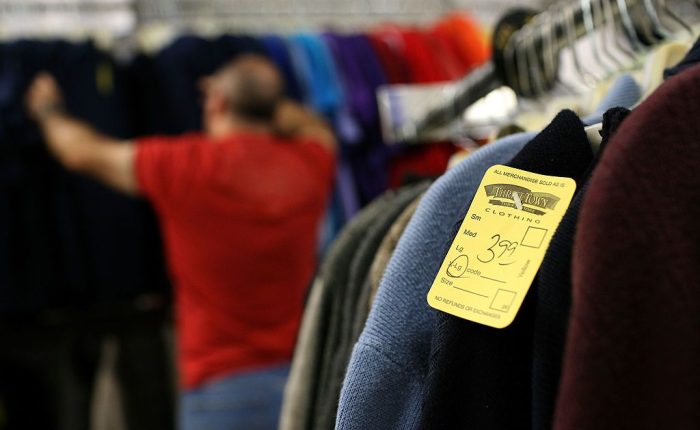
The U.S. secondhand apparel market is expected to surpass $78 billion by 2030, according to a recent ThredUp report. The projection comes as inflation and affordability concerns push more Americans toward thrift stores and secondhand retailers.
The trend has grown significant enough that the Bureau of Labor Statistics recently incorporated used apparel into the Consumer Price Index. In April, the annual inflation rate rose 3.8%, the fastest pace in three years. Prices for new clothing have also increased over the past year.
Shoppers are also seeking sustainable alternatives to fast fashion and unique home décor items that are difficult to find in traditional retail stores, according to the report.
Empower.com noted that the trend can be traced in part to the pandemic. Rachel Michelin, president of the California Retailers Association, told Nexstar’s NewsNation that generational preferences are also helping drive the shift.
“I know my two daughters are younger adults, and thrifting has always been a big thing for younger people, especially in college,” she said. “So I think they’ve always been doing it.”
Michelin said affordability has become a major concern for younger consumers, making secondhand shopping an increasingly attractive option.
“A lot of websites make it easy to do that. I know a lot of the stores with furniture have made it very accessible,” Michelin added. “And I think people are looking for those deals. People across the U.S. always look for a discount. And there’s a lot more opportunity now than there used to be.”
Virginia Chamlee, author of “Big Thrift Energy,” said sustainability is a major factor driving younger generations toward secondhand shopping.
“That’s something that younger generations really want and are seeking now,” she said. “I also think there’s a uniqueness to thrifting. You can find pieces made by artists and pieces that are vintage that you can’t find anymore because they’re no longer produced.”
Chamlee agreed with Michelin that retailers incorporating resale and reuse into their business models are adapting to changing consumer preferences.