Young protesters clash with police in New Delhi voter list dispute
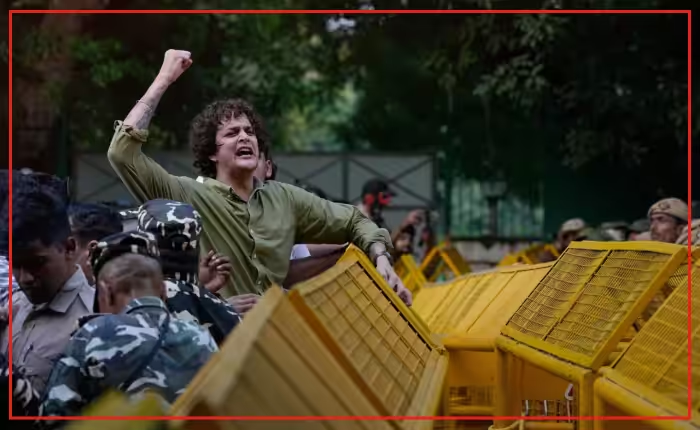
Kashish Rawat traveled to New Delhi on Saturday to demonstrate against an ongoing review of national voter lists. The student joined crowds opposing the removal of names that critics say favors the ruling party. The 22-year-old economics student had not informed her parents about the trip.
Metal barricades blocked city streets as officers confronted the young demonstrators. Police beat some people, dragged others into buses and chased away the rest. Protesters recorded the police actions on phones. Those videos quickly circulated online.
Officers acted to halt gatherings against the voter rolls purge. Rawat avoided officers and stayed outdoors until evening.
“We are not going anywhere. We will come back again and make our voices heard,” she said.
India’s “Cockroach” youth movement escalated demonstrations earlier this month over the ongoing voter list review. The process has removed more than 130 million names since last year. Critics say the process disenfranchises citizens and demanded the resignation of election chief Gyanesh Kumar.
The Election Commission stated the exercise removes duplicate and ineligible names. Prime Minister Narendra Modi has not commented on the demonstrations. Some leaders in his party labeled protesters anarchists and claimed foreign powers back them without providing evidence.
Rawat questioned fear toward the country’s leadership.
“I don’t see him as almighty,” Rawat said of Modi. “I see him as someone who we have elected. So I don’t understand the reason why we should be scared of questioning that guy.”
Youth group challenges government power
Critics accuse Modi of weakening executive checks, limiting dissent and targeting religious minorities, specifically Muslims. Press freedom organizations expressed concern over pressure on independent media. The government denied the claims, stating agencies follow the law rather than target dissent.
Protests forced the resignation of Modi’s education minister earlier this summer. Sociology student Maya Ribeiro joined the New Delhi crowd on Saturday alongside two friends. The 19-year-old student registered to vote but worries the purge threatens that right.
“When we talk about the institution of voting, it is an important institution, but it is an institution that needs to be cleansed,” Ribeiro said.
Philosophy student Aryan Kajaniya described broader frustration with the political framework. The 21-year-old student reported people want clarity on official actions.
“People are actively trying to gather more information about what’s going on in the capital. They are joining in from different cities, but the system is actively trying to suppress us,” he said.
Protesters stated they lack formal party ties. Demonstrators previously mocked Modi openly during summer events. Ribeiro noted rising persistence among participants.
“I do believe that we are at a point where we have been so disillusioned that we are now more resilient than ever,” Ribeiro said.
Disputes cause family divisions
Modi has served as prime minister for over 12 years. His Bharatiya Janata Party maintains significant electoral strength. Opposition groups have not turned past public frustration into an enduring challenge.
Rawat said political disagreements cause strain at home. She believes television coverage shaped her parents’ political opinions. The friction has paused talks with relatives.
“I do still try my best to have a conversation with them, but I have been failing so far,” she said.
Ribeiro questioned if demonstrations will generate ongoing accountability. Youth now recognize their impact.
“I think for the first time in a very long time … I have felt a sort of renewed belief in what democracy can do,” Ribeiro said.
The Election Commission of India oversees national electoral rolls and voter registration across the country. It audits rolls to confirm eligible voters before state and national ballots occur.
Protesters continue calling for public accountability in New Delhi.