McAllen and Brownsville order water restrictions as Rio Grande Valley drought persists
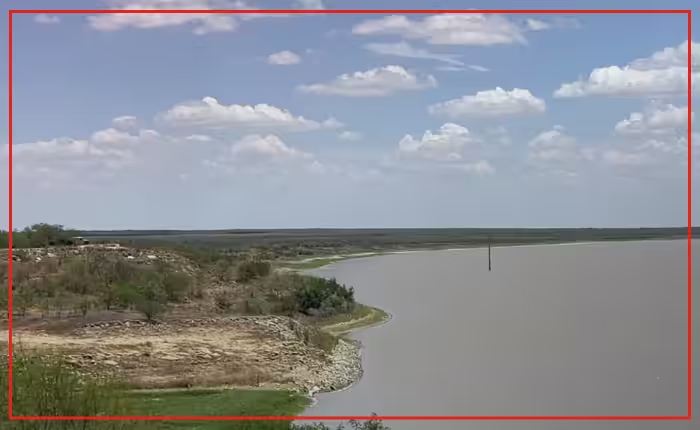
Two South Texas municipal utility providers enacted mandatory drought rules in McAllen and Brownsville on Monday. The conservation measures limit water utility usage to protect dwindling supplies during the ongoing drought. Regional reservoirs recently reached near-record low water levels along the international border.
McAllen Public Utility initiated Stage Two water restrictions to manage its distribution system. Residents and business owners can water landscaping only twice weekly during specific hours. Fountains without recycling systems must close.
“McAllen Public Utility is a responsible steward of our water and during the current drought that we find ourselves in, it is important that as residents of the community, we follow the mandatory water restrictions out of necessity to ensure a continued adequate water supply and pressure for the coming months,” said Mark Vega, general manager for McAllen Public Utility.
Brownsville Public Utility also enacted Stage Two conservation regulations for its service area. The utility rules restrict sprinkler operation and vehicle washing for 180,000 local residents.
The National Weather Service reported historic lows at Falcon International Reservoir and Amistad Reservoir. Falcon sits in Zapata County, and Amistad is located near Del Rio, Texas. Stage Two restrictions take effect when combined reservoir storage drops to 25 percent.
Meteorologist Bryan Hale of CBS4 in Harlingen reported the Monday reservoir capacities:
- Falcon Reservoir stood at 10 percent capacity.
- Amistad Reservoir stood at 32 percent capacity.
The National Weather Service called the regional border water supply situation dire. Forecasters warned that water supplies face stress because combined reservoir levels approach record lows. The weather agency noted that only a tropical weather event can replenish supplies.
Drinking water supplies are threatened for 15,000 residents across rural Zapata County communities. Only 1 foot of water rests above 30 feet of silt. A portable generator failed to pump water from the lake.
Zapata County Judge Joe Rathmell reported the pump failure on Monday afternoon. Rathmell advocated for downstream conservation during a lake tour on Thursday. He called the new municipal restrictions a smart move.
“Our situation is worse and hopefully won’t head their way but I’m glad they’re getting prepared for it and trying to conserve so they won’t experience what we are experiencing,” Rathmell said. The lake is basically gone.
Rathmell and U.S. Rep. Henry Cuellar are pursuing a $1 million federal emergency grant. The officials also plan to extend utility piping beneath the receding river edge.
“Right now, the low water levels at Falcon Lake are threatening the water supply for Zapata County and the surrounding areas,” Cuellar said. “We are urging residents to conserve water.”
The Rio Grande provides the primary source of drinking water for McAllen municipal systems. The city utility also draws additional drinking water from an underground well.
Both international reservoirs preserve surface water shared between the United States and Mexico. The storage network distributes river currents toward municipal intake stations and the Gulf of Mexico. Municipal utility providers rely on steady reservoir elevation to protect drinking supplies and pressure.
Municipal leaders in Brownsville emphasized the need for immediate conservation under ongoing summer heat. Local utility managers warned that community participation remains critical to protect reserves.
“Water conservation is vital to BPUB’s water supply,” said John Bruciak, Brownsville Public Utility Board general manager and CEO. “Conservation helps ensure that the city’s water supply can get us through these summer months.”