Nidal Malik Hasan faces livestreamed execution after Fort Hood conviction
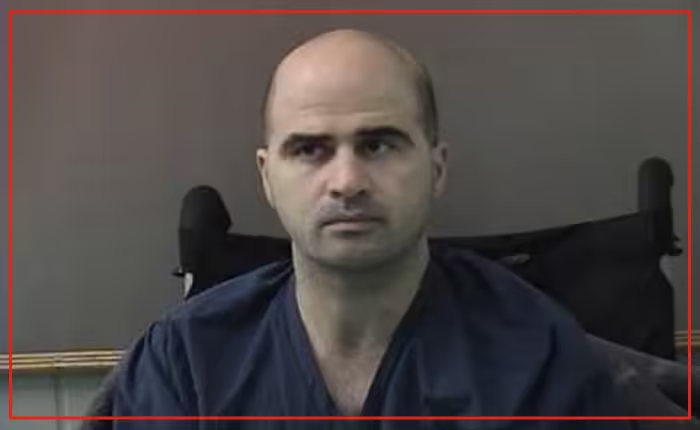
Nidal Malik Hasan faces a December execution by firing squad following his Fort Hood conviction. The Pentagon announced Thursday that officials plan to livestream the event to the public. This decision would mark the first military execution in more than 65 years.
Hasan was convicted of killing 13 people and wounding many others in a 2009 shooting at Fort Hood. The proposal would create the first public execution in America since the 1930s.
Executions Drew Large Crowds in Early History
Public executions previously served as crime deterrents and popular community ceremonies across early America. Professor emeritus Michael L. Radelet of the University of Colorado Boulder researched these historical events.
Parents and teachers often brought children along to teach them a lesson. Events sometimes featured choirs, execution sermons from preachers and long speeches from condemned men.
During a late 1800s execution in Leadville, Colorado, Cyrus Minich addressed the gathered crowd before his death. Radelet said Minich spoke directly to the spectators.
“Therefore I apologize and I’m ready to go. Goodbye, goodbye,” Minich told the crowd.
Spectators reportedly shouted back to him. Radelet said people attended because early communities lacked television and sought public spectacles.
In 1936, thousands watched the hanging of Rainey Bethea in Owensboro, Kentucky. Radelet identified the hanging as the last public execution in the country.
Bethea reportedly confessed to the rape and killing of a 70-year-old white woman. He was never charged with murder. The Death Penalty Information Center stated officials used a parking lot to protect the courthouse lawn.
Spectators also watched Roscoe “Red” Jackson hang in Missouri the following year. The Los Angeles Times reported people climbed trees and cut peepholes to view the execution.
States ended public hangings because botched procedures created broader public concerns. Radelet said the carnival atmosphere turned citizens away from the events.
Officials Debate Precedent and Legal Regulations
Robin Maher, executive director of the Death Penalty Information Center, said the group has no record of any execution livestream. Defense Secretary Pete Hegseth proposed the broadcast.
“There is currently no regulation or precedent for an execution to be livestreamed on the internet or otherwise made widely available to the public,” Maher said in a statement.
In 2001, federal authorities executed Oklahoma City bomber Timothy McVeigh at a prison in Terre Haute, Indiana. Then-U.S. Attorney General John Ashcroft allowed victims to view that execution through closed-circuit television.
Elisabeth Semel, co-director of the Death Penalty Clinic at UC Berkeley Law, raised questions about defendant dignity. Experts noted Hasan could file a civilian habeas petition to delay the execution.
“This is a president who’s about spectacle and that’s, I think, precisely the message that he intends to deliver,” Semel said.
Fordham University law professor Deborah Denno said video broadcasts could make capital punishment more transparent for citizens. She noted a botched execution in Tennessee recently prompted fresh questions.
“I think it could possibly be a good idea because it would be transparent and the public would be fully aware that it’s happening,” Denno said.
A habeas petition allows a civilian court to review the legal basis of military detention. Federal agencies maintain specific administrative rules regarding access to correctional facilities during capital punishment. The armed forces conduct legal proceedings under military statutes and federal judicial oversight.
Hasan remains held under military authority for the deadly Fort Hood attack. Defense officials have scheduled the execution to take place in December.