Boca Raton scholar pleads guilty in Epstein victim fund fraud
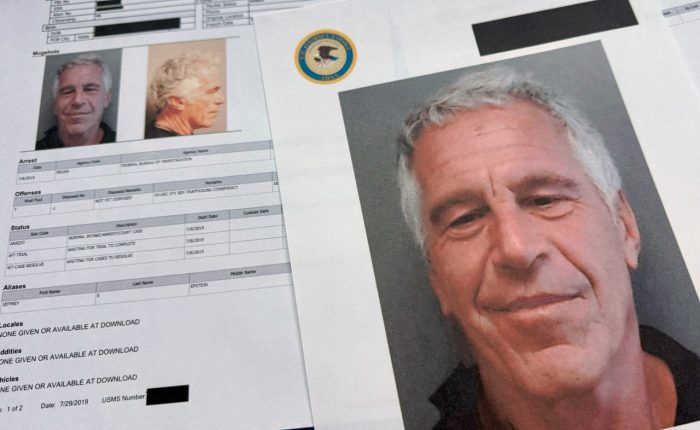
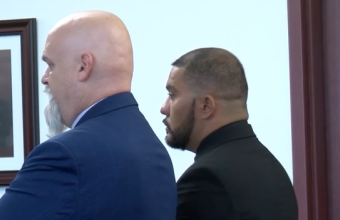
A Boca Raton scholar pleaded guilty in federal court in New York to falsifying records used to obtain money from a fund for victims of Jeffrey Epstein. Jennifer Percival entered the plea on Monday, the same day she was charged, according to a transcript of the proceeding entered in the court record Wednesday.
Percival, 46, applied in late 2020 to a fund set up by Epstein’s estate to compensate his victims, but the fund determined she was ineligible for a payment, court records said. The records did not explain why she was turned down.
In 2024, she applied for a share of a fund created by JPMorgan Chase, which had agreed to pay $290 million to Epstein victims to settle legal claims that the bank should have cut him off as a customer after he was publicly accused of being a serial sexual abuser of underage girls.
She falsely claimed the Epstein estate fund had found her eligible and paid her $500,000, providing an altered copy of her rejection letter to make it look like she had been approved. The bank’s compensation fund wired her $750,000 in 2024 based on her misstatements.
“The purpose of these actions was to obtain money, which gave me a sense of validation,” she told a magistrate judge, according to the transcript.
When FBI agents confronted her in late 2025 with the true rejection letter from the Epstein fund, Percival said she falsely told them she had successfully appealed and was found eligible after all. She then provided her lawyer with altered and fabricated emails that were submitted to a federal prosecutor as part of a request for a deferred prosecution deal.
“I know that my actions were wrongful, and I accept full responsibility,” Percival said.
She brought a check to the plea hearing for the $776,031 she owes in restitution. A sentencing date was not immediately set.
Percival is the director of Florida Atlantic University’s Center for Autism and Related Disabilities. Federal sentencing guidelines call for her to spend from three to four years behind bars, according to the plea deal, though a judge does not have to follow that recommendation. She was released from custody after the hearing while she awaits sentencing.
Her defense lawyer is likely to argue at sentencing that she has earned leniency through her life’s work helping people with disabilities. A university website listing described her as an “award-winning researcher in disability studies” who “participates on national and regional advisory boards.”
During her brief court appearance, Percival did not speak about Epstein, and prosecutors did not say whether they had reached a conclusion about whether she was one of his victims. Court records and the open-court proceedings do not explicitly state why Percival claimed to have been entitled to Epstein settlement money.