Congregants celebrate reconstruction of historic Black church in Williamsburg
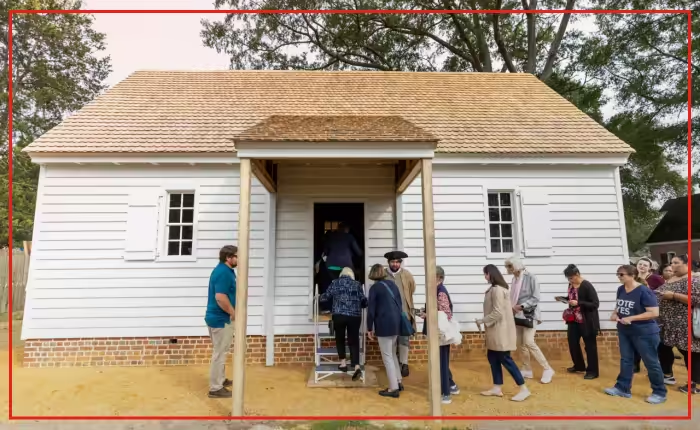
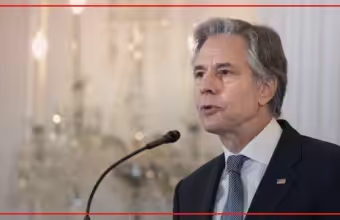
Pastor Reginald F. Davis and community members celebrated the reconstruction of the historic First Baptist Church in Williamsburg on Friday. The re-dedication honors a pioneering Black congregation founded in 1776 in defiance of laws prohibiting gatherings.
Hundreds of residents gathered for the community-wide event. Enslaved and free African Americans established the congregation during the year of the Declaration of Independence.
In 1805, original parishioners built the African Baptist Meeting House using recycled bricks and scrounged materials. A tornado destroyed the church in 1834. Members rebuilt the structure in 1856.
A century later, the Colonial Williamsburg Foundation turned the site into a parking lot. Officials made the decision because the building did not match the town’s 18th-century aesthetic.
Archaeologists uncovered the original foundation in 2021. The team also located 62 graves linked to the congregation.
“What this day means and shows is that Black history is American history, and we’re an example for the rest of the nation,” Davis said.
Davis leads the current 215-member congregation. The congregation now meets on Scotland Street, less than a mile away.
More than half of the 2,000 residents in 18th-century Williamsburg were Black. Very few were free.
Janice Canaday serves as community engagement manager at the Colonial Williamsburg Foundation. She described the project as a reclamation of history.
“I wanted them to know that we were always here, where when the doors of the Colonial Williamsburg Foundation first opened, the restoration, and even before then, we were sometimes present, but not able to speak,” Canaday said.
Community honors early leaders
Friday’s event began with a procession. The Nassau Street Remembrance Choir performed during the opening.
Virginia state Senator Mamie Locke delivered remarks alongside church leaders. Museum interpreter James Ingram also spoke.
Ingram portrayed early pastor Gowan Pamphlet for 26 years. Pamphlet was an enslaved tavern worker who preached equality. Actor Brandon Lee debuted as the new Pamphlet interpreter on Friday.
Oral tradition initially guided the historical search. Stories of buried ancestors led researchers to explore the site.
DNA tests and bone analyses linked three sets of remains to the historic congregation. Jennifer Wilkoski directs architectural preservation and research for the foundation.
“We knew the building was here, and we knew that there were maybe burials behind it,” Wilkoski said.
Reconstruction nears completion
Crews modeled the 16-foot by 32-foot church using pine and white oak woods. Builders recreated original details like half-round brick steps.
Modern additions include an HVAC cooling system. Workers also installed handmade restoration glass and a refreshed altar table.
Finishing touches will conclude in the coming months. Workers will also add an ADA-accessible ramp.
Living history museums preserve historical structures and interpret past events for the public. Preservation teams often use archaeological digs and historical records to guide physical reconstructions.
Davis said the reconstructed building provides overdue recognition for people working toward a more perfect union.