Cubans turn to free community pharmacies as medicines grow scarce in Havana
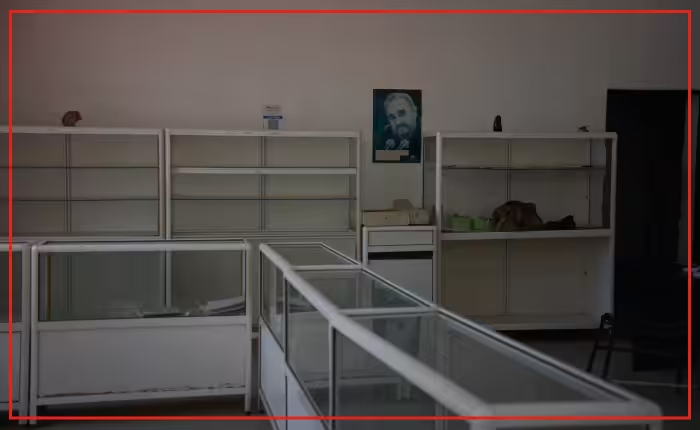
Laura Mendoza gives free donated drugs to patients outside her Havana apartment as state pharmacy shelves sit bare. The grassroots distribution offers crucial relief to residents who cannot find essential medical supplies through normal channels.
Every Thursday and Sunday at noon, dozens gather outside the apartment building in Havana’s Vedado neighborhood. Mendoza checks their names against a list and hands out supplies requested through WhatsApp.
Her project, called Medicine Is Not for Sale, charges nothing. She distributes antihistamines, diuretics, eye drops and antibiotics.
Online sellers, street vendors, and messaging groups step in to fill gaps left by state dispensaries. Economic troubles deepened with U.S. energy and financial restrictions imposed since January.
Cuban authorities issued regulations in July allowing private pharmacies to operate. This marks a historic change to the state-run health system.
“We have five WhatsApp groups in Havana and recently added one in Guanabo,” Mendoza said. She estimates about 100 similar community projects operate in Havana.
Her initiative works with the Catholic charity Caritas. It receives more than 13 kilograms, or 29 pounds, of supplies each week.
Donations come from humanitarian groups in Canada and the United States, travelers, and local residents. Volunteers deliver to patients who cannot travel.
“People don’t just rely on this main pharmacy. They help each other,” Mendoza said.
Drugs requiring refrigeration, including some diabetes treatments, remain hard to get. Cancer therapies are also scarce. Patients seek gauze, syringes and anesthetics for understocked hospitals.
“Six or seven years ago, it was relatively easy to find medicines at state pharmacies,” said Cristina Díaz, a 27-year-old physics teacher. Díaz sought clonazepam for a relative.
She said medicines later became much harder to find.
Cuba’s Health Ministry lists 603 medicines in its basic drug program. Only slightly more than one-third are currently available. Cuban laboratories produce about 400 using imported raw materials.
Mayda Mauri Pérez, president of state pharmaceutical company BioCubaFarma, spoke in June. She said the company failed to produce about 300 of 395 expected medicines due to missing raw materials.
State stores in Ciego de Ávila province held only about 10% of listed items, authorities acknowledged. Officials blamed supply problems and fuel shortages.
“Cuba has a medical-pharmaceutical industry that we consider strong,” provincial pharmacy head María Fernández Martínez told the newspaper Granma. She said factories cannot finish production without supplies.
The government lacks packaging like blister packs and bottles. Officials said U.S. financial sanctions complicate import payments.
Cuban authorities stated medical shipments remain stranded in third countries. Shipping companies fear U.S. penalties for docking at Cuban ports.
Parliament approved 176 economic measures in June to expand private business. Authorities said they are reviewing about 36 proposals to open private dispensaries.
Private owners must import through state firms. State regulators will bar them from selling hospital-only items and certain controlled substances.
State pharmacies will continue operating alongside new shops. Many residents worry about the final cost of private goods.
Sara Márquez, 69, takes blood pressure pills. She said a pack once cost 0.30 Cuban pesos at state shops.
Informal sellers charged up to 1,000 pesos, or $1.50, recently. That equals over 30% of her monthly pension.
“At what price will they sell the medicine? … It will depend on people’s purchasing power. I can’t afford it.”
The Ministry of Public Health oversees the national medical inventory and sets distribution rules for community clinics across the island.
The Cuban government did not respond to a request for comment in Havana.