Edmunds: RAV4 plug-in hybrid beats Tucson on electric range
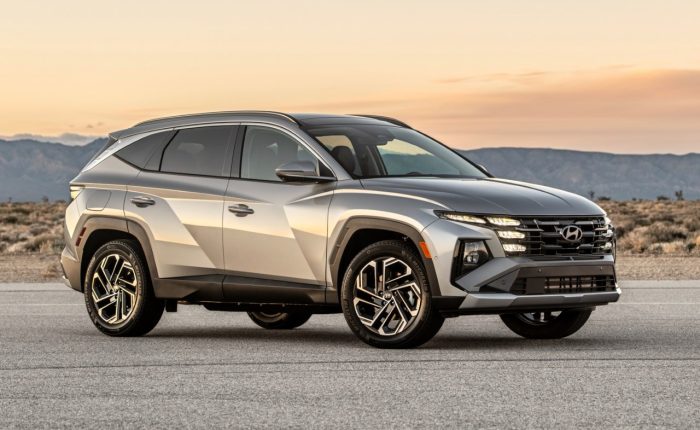
The 2026 Toyota RAV4 Plug-in Hybrid beats the 2026 Hyundai Tucson Plug-in Hybrid on all-electric range, outpacing its rival in the metric that matters most to fuel-conscious shoppers. An Edmunds comparison found the RAV4 traveled significantly farther on battery power than the Tucson in real-world testing.
Toyota estimates the main RAV4 Plug-in Hybrid trim levels will go up to 54 miles on all-electric power, with the sporty GR Sport trim rated at 48 miles. A GR Sport went 58 miles on electricity in Edmunds’ testing. After the battery is depleted, the EPA estimates up to 40 mpg in combined city and highway driving, and Edmunds found that estimate accurate.
The Tucson Plug-in Hybrid falls short on both measures. The EPA rates it for 32 miles of all-electric driving and 35 mpg combined afterward. Edmunds’ testing found the Tucson slightly exceeded those estimates, but not enough to overcome the RAV4’s advantage.
On passenger and cargo space, the Tucson wins back ground. The plug-in hybrid Tucson has 31.9 cubic feet of cargo space behind the rear seats, compared with 33.6 cubic feet for the RAV4. Edmunds found both SUVs offer large, relatively boxy cargo areas.
The Tucson’s passenger space advantage is more pronounced. It has 41.3 inches of rear legroom, versus 37.8 inches in the RAV4. “That’s a pretty big gap, and it’s one you’re bound to notice,” Edmunds wrote, citing the difference for adults, teenagers and children in car seats.
Edmunds’ editors also found the Hyundai’s front seats more comfortable than the RAV4’s, which they described as too firm and too high. The Tucson’s ride over bumps was also rated more comfortable.
On technology, the two vehicles finished roughly even. Both scored 9.7 out of 10 from Edmunds for usability and connectivity. The RAV4 uses a newer system than other Toyotas, but it relies on an internet connection for navigation and voice controls, requiring a paid subscription after the trial period. The Tucson’s comparable features are integrated and do not require a subscription, though its navigation search capability is weaker.
The Tucson comes standard with a 12.3-inch center touchscreen. The RAV4 offers a 10.5-inch screen on less expensive trims and a 12.9-inch screen on higher trims.
Base prices for both start just over $42,000 and top out near $50,000, including destination fees. At the top of its range, the Tucson is fully loaded. To match the Tucson’s feature content, Edmunds found buyers must add options to the RAV4 XSE, pushing the price past $52,000.
Edmunds rated the Tucson’s interior materials higher than the RAV4’s and called Hyundai’s basic and powertrain warranty coverage superior to Toyota’s.
On style and variety, the RAV4 leads. Toyota offers the SE, XSE, Woodland and GR Sport trims. Hyundai offers only the SEL and Limited, and the gas-only Tucson’s XRT appearance package is not available on the plug-in hybrid.
“This is a very close call, but ultimately, the RAV4’s significant all-electric range and fuel economy put a big ol’ brick on the scoring scales,” Edmunds wrote. “The Tucson is more appealing in many ways, but when it comes to the main thing that you’ll want from your plug-in hybrids , saving on gas , the RAV4 carries the day.”